
One common type is dissociative amnesia, which involves the inability to recall important personal information, often related to traumatic events. This form of amnesia can be localized to specific events or generalized, affecting broader periods of an individual’s life. This highlights the fact that many people may see alcohol consumption as a coping mechanism to deal with traumatic experiences. It is usually characterised by binge drinking, where one consumes a large quantity of alcohol in a short period of time.
What are 4 effects of alcohol on the brain?
You should get yourself investigated for the blackouts and memory problems you face. Once every other neurological issue are cleared, then only we can diagnose whether it as related to your anxiety, depression or PTSD (post-traumatic stress disorder) if so then it is psychogenic. In most cases, a psychogenic blackout is an involuntary reaction of the brain to pressure or distress. Psychogenic blackouts sometimes develop after people have experienced ill-treatment or trauma and such conditions are treatable and curable. But we need to identify the severity of anxiety and PTSD and then the treatment slowly starts with medicines, psychotherapy and relaxation therapy.
What Causes Blackouts?

They discuss dissociative reactions like depersonalization, derealization and amnesia. Depersonalization is a feeling of disconnection from yourself where you may not know who you are. Derealization is a feeling of disconnection from familiar people in your life as well as familiar places.
Signs, Causes, and Dangers of Blackout Drinking
- Those who have suffered from blackouts in the past are more likely to forget very simple things than those who don’t drink at all.
- Although men have a higher prevalence of AUD than women, and women have a higher prevalence of PTSD than men, any individual with either disorder is more likely to have the other.
- A therapist can help you gain awareness of your underlying issues that may contribute to blackouts.
- Our hearts go out to the families and individuals impacted by this devastating event.
According to the National Center for PTSD, as many as three-quarters of people who have experienced violent abuse or assault report having issues with drinking later. Nearly a third of people who have gone through serious accidents, illnesses, or natural disasters develop drinking problems. PTSD is a disorder caused by trauma, although trauma is not the only factor. Drinking may provide momentary relief, but ultimately it makes the situation worse.
- This scale has demonstrated validity in identifying symptoms of depression in primary care settings, with scores ≥3 considered a positive screen for depression (Kroenke et al., 2009).
- Often overlooked, post-traumatic stress disorder (PTSD) tends to be a major cause of alcoholism.
Find Free Recovery Group Meetings Near You
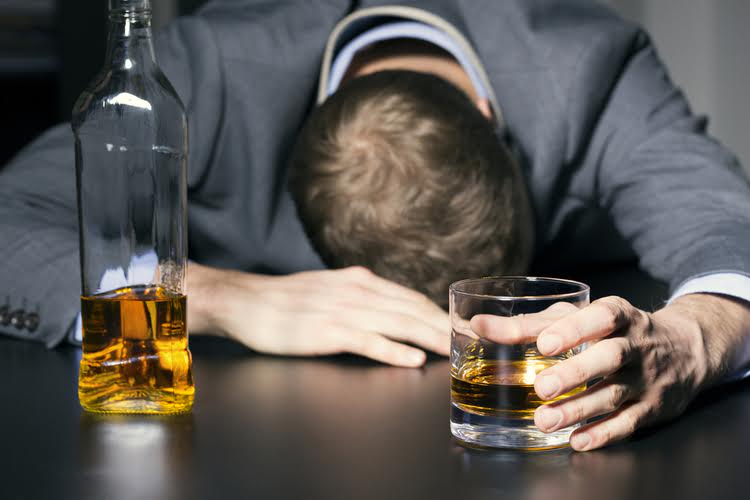
Another possibility is he might have stayed awake, continued talking, moving, or even driving but then later not remember what he’d done. Alcohol enhances the inhibitory effects of gamma-aminobutyric acid (GABA), the brain’s main inhibitory neurotransmitter, slowing brain activity and contributing to sedation. Simultaneously, it blocks glutamate, the brain’s primary excitatory neurotransmitter, especially at N-methyl-D-aspartate (NMDA) receptors. This section provides an overview of commonly used definitions ptsd alcohol blackout and how they have changed over time. If you have PTSD, you may have trouble falling asleep or problems with waking up during the night.
Drinking as a coping mechanism is a form of avoidance, and this can mean that you only prolong your symptoms. Most people with PTSD have an urge to avoid any memories or flashbacks of the trauma. Studies have shown that a traumatic stimulus amphetamine addiction treatment triggers people with PTSD and an alcohol use disorder to crave alcohol.